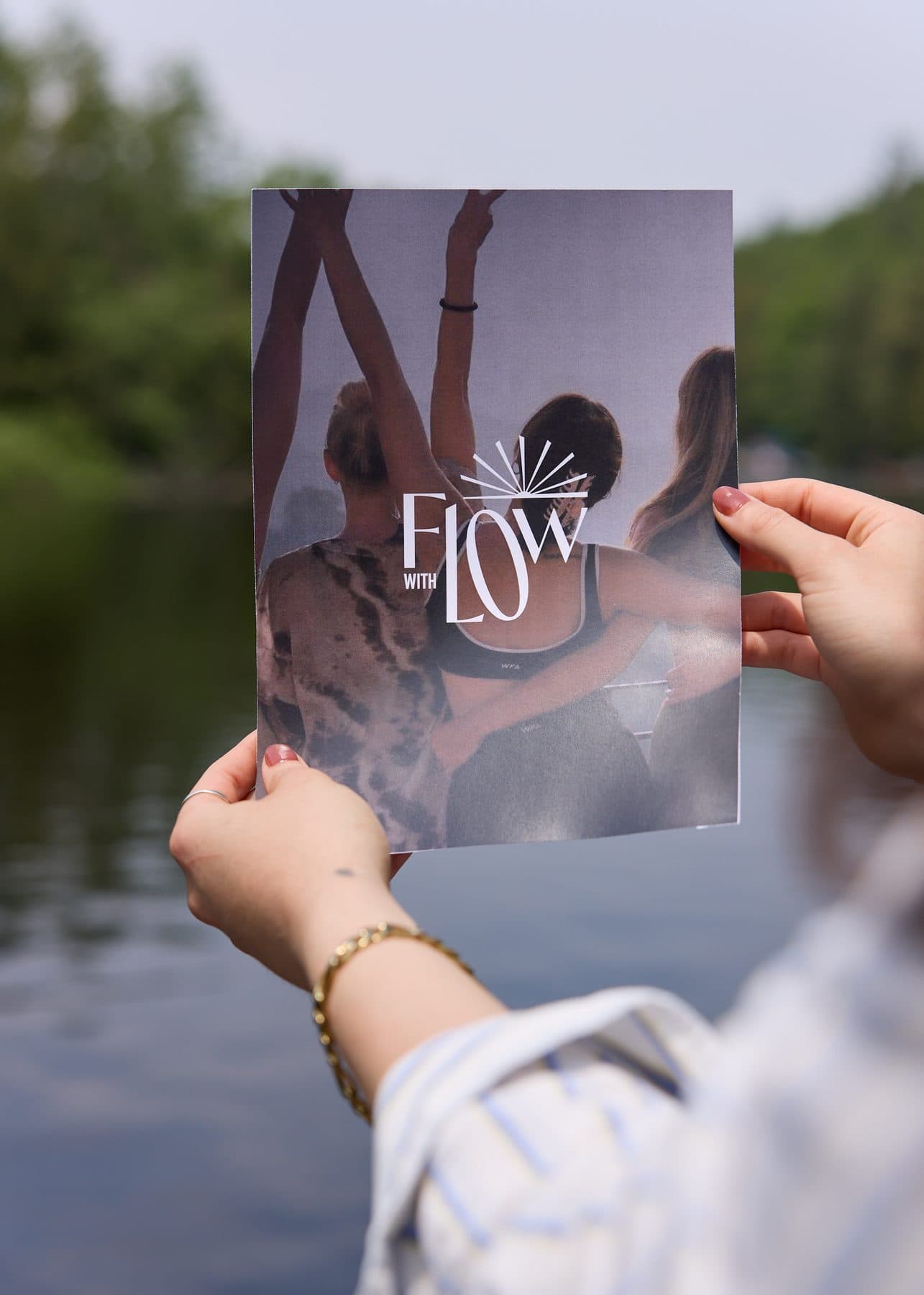
Have you put a huge amount of work into your business, but feel your brand doesn't reflect it?
As a designer who's worked across a range of industries, I see this all the time, especially with wellness businesses.
You know how much care goes into your business. Someone finding you online doesn't have that context yet.
They have your photos, your words and your website. That's what they're using to decide whether to keep reading.
Your branding won't do the selling for you. But it can help someone understand what you offer and see a reason to find out more.
People can make that decision quickly. In a 2011 analysis, Nielsen Norman Group noted that visitors often leave a web page within 10-20 seconds, while pages that clearly explain their value can hold attention longer.
1. Help the right clients choose you
Two Pilates studios can both offer a 50-minute class and feel completely different.
One runs energetic sessions for experienced clients. The other gives beginners a slower introduction with more individual guidance.
If both websites only say “Pilates for all levels,” you're leaving people to guess which experience they'd prefer.
If you've never tried Pilates, “all levels” might not answer your biggest question: will someone help me if I don't know what I'm doing?
For Florencia Wellness, we recommended bringing Pilates and florals together rather than treating them as two separate directions.
The branding needed to introduce that combination: movement, making something and spending time together. The name, messaging and illustrations all helped explain what someone was being invited to.
2. Show what people are paying for
Calling a service “premium” doesn't explain what someone gets for the price.
“Small-group training” tells someone the format. It doesn't tell them much about the experience.
For example, you could describe a program as “Six weeks of coached training for four people, including an initial assessment and a plan that develops as you progress.”
Now they can see what the price includes, rather than comparing two services that happen to have the same name.
If the most valuable parts of your service only come up during a consultation, put some of that explanation on your website.
3. Become recognisable wherever people find you
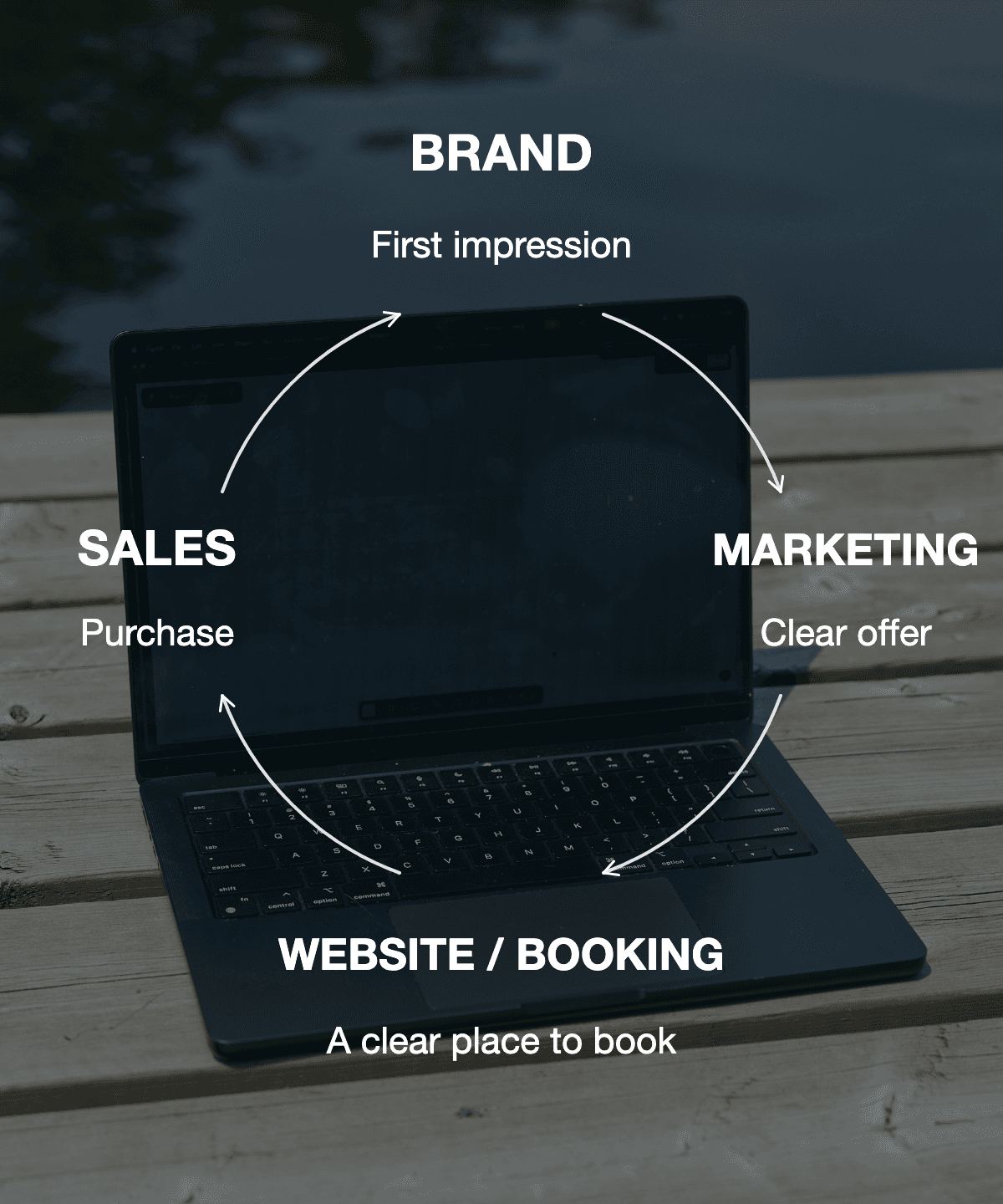
Someone might save an event post, visit your website a week later and eventually open a booking email.
They may not book the first time. They should still recognise you the next time.
A review of advertising-repetition research found that repeated exposure can help people remember an advertised brand. How the ads are spaced matters, too.
You might already be tired of looking at your own colours. Your next client could be seeing them for the first time.
Your layouts don't all need to look identical. But your colours, typography, illustrations and writing should give people something familiar to recognise.
FNK Fitness already had a logo and a blue people knew. We kept both, then built out the colours, patterns and custom illustrations around them.
We brought those details into the new website alongside rewritten service information and a clearer booking process.
If you're deciding how much design work you need, our article on what a brand needs beyond a logo explains what a fuller identity adds.
4. Make your next promotion easier to create
A brand should be useful when you're promoting next month's workshop, not just when you're looking through the brand guidelines.
You need somewhere to put the title, date, price and booking details without redesigning the whole post.
Before signing off on a template, try it with a longer event name and one of your actual photos. That will tell you more than a perfectly styled example.
Clear examples and instructions also give your assistant or another designer a reference. You shouldn't have to explain your colours and fonts every time someone prepares a post.
If you'll need event layouts or social templates, ask for them in the project scope. They aren't automatically included with every visual identity.
5. Make your range of services easier to understand
You know the difference between your services. A new client might not.
They may know what they need help with without knowing which appointment to book.
Clarity Counselling & Mediation already offered a range of services through multiple therapists. Our job was to help people understand those options, not add more.
We worked on the identity, website wording and structure so visitors could find relevant support without first having to understand the whole practice.
What should your branding project include?
What do you find yourself explaining over and over?
If clients regularly ask the same questions, bring those questions into your branding project.
They can show you what your website isn't explaining, what your marketing is leaving out or where people are struggling to choose a service. Your project may need work on the website structure and wording as well as the visual identity.
As you compare branding and website services, ask how the work will address those questions. Check which materials you'll receive and who will use them after launch.
Working toward an opening or launch? Our guide to when to book a branding and website project explains how to plan the timing.
That's what a branding project should help with: making the business you've worked hard to build easier for someone else to understand.