AI can draft a page, write first-pass content, or help a small team move faster. But when the design starts looking inconsistent, the time saved disappears quickly.
For clinics, healthcare startups, and wellness businesses, this matters more than people realise. A new landing page, client proposal, email banner, or social campaign is still introducing your business. If every output uses a different font, spacing, image style, or level of polish, people start doing extra work to understand whether it all belongs to the same team.
A better prompt will not fix a missing system.
AI needs a clear visual system to follow.
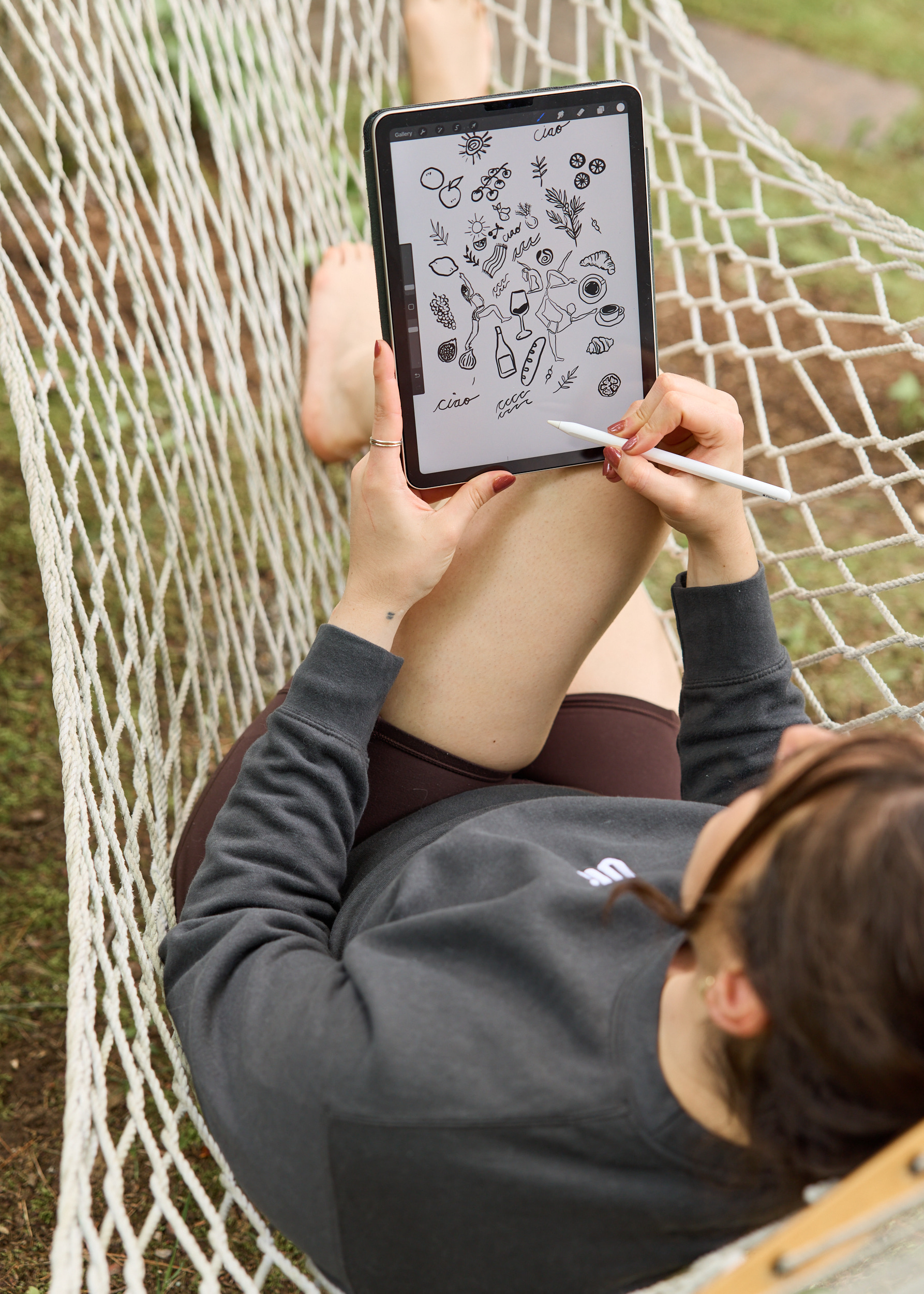
A brand is the starting point. A design system makes it usable.
A brand gives your business a visual identity: your positioning, logo, colour palette, typography, imagery, and the feeling people should have when they find you.
A design system turns that direction into practical rules. It documents the hierarchy, spacing, colour roles, components, image direction, and reusable patterns that make a website, proposal, dashboard, or campaign feel connected. That is what a healthcare design system is for in practice: decisions already made, so your team is not inventing the look of every page from scratch.
That difference matters when AI is involved. Without those decisions already made, a team ends up prompting around the gaps, then fixing the result by hand.
Make the rules once. Use them everywhere.
What a clear system lets your team create
Once the foundation is in place, AI can help your team build first drafts for:
- service and campaign landing pages
- client proposals, pitch decks, and PDFs
- newsletter banners and email content
- social templates and paid-ad assets
- printed materials, event pieces, and signage
- internal dashboards and simple operational tools
The goal is not to hand the creative direction over to AI. It is to give the tool a trusted set of boundaries, so the first version is already much closer to your business.
Give AI a reference pack, not vague instructions
After a Jaia project, you receive more than a logo folder. The useful handoff is a reference pack your team can bring into its AI workspace: brand and design-system PDFs, approved assets, visual examples, and clear rules for how everything should be used.
That gives Claude, Codex, or another tool actual context to work from. Instead of asking it to make something “clean, modern, and trustworthy,” your team can point it to approved font sizes, page spacing, button rules, image references, and examples of the work you want repeated.
Stop wasting time trying to prompt your way around decisions that should have been made once.
Five rules for using AI without losing the plot
- Give it real references. Add your approved guide, assets, and examples before asking it to make something new.
- Use real or properly licensed photography. Generated people and spaces can make a health or wellness brand feel less credible, fast.
- Keep the audience in the brief. A patient booking a clinic appointment, a practitioner choosing a service, and a health-tech buyer all need different information and levels of reassurance.
- Build reusable pieces first. Buttons, forms, headings, cards, icons, and page sections should not be re-decided on every page.
- Keep a human in charge of the final call. AI can speed up production. It cannot replace judgment about trust, usability, or what is right for your business.
If you want a production example rather than another set of rules, see how this works in practice inside Jaia Studio's AI proposal workflow.
How Jaia Studio can support the next step
Jaia Studio's Visual Branding service helps growing health, wellness, fitness, clinic, and health-tech teams build the brand and design system behind better AI output.
That can include the strategy and visual identity, the practical rules that make it usable across touchpoints, and a clear handoff for your team. After the project, you can also book monthly implementation support: working sessions to set up your workflow, help your team use the system well, or create priority assets with it.
You do not need an extra 60 hours to become the creative director behind every AI-generated page. You need a professional system your tools and your team can actually follow.