One of the hardest brand problems to spot is the one that still technically works.
The website is live, the logo is fine, and nothing looks broken enough to make fixing it feel urgent.
Meanwhile, the services are stronger, the experience is more thoughtful, and the audience or price point may have changed. The brand is still introducing an earlier version of the business.
For a health, wellness, or fitness business, that gap affects how quickly someone understands the offer, trusts the experience, and takes the next step.
Your brand does not need to look bad to make a strong business feel smaller, less clear, and harder to choose. Here are five signs that may be happening.
01. People still need you to explain the offer after visiting your website
Someone finds your business, visits the website, and then asks what you offer, who it is for, or where they should begin.
When the same questions keep coming up, the website is asking you to finish a job it should already be helping with.
A new visitor should be able to understand, within a few seconds:
- what the business does
- who it helps
- what makes the offer worth considering
- what they should do next
If those answers are hidden under vague wellness language or long service lists, an interested client has to work too hard to find the point. Every inquiry begins with extra explanation, and other visitors may leave before asking at all.
A quick check: Ask someone who does not know the business well to look at your homepage for five seconds. Then close it and ask them what you sell. If their answer is vague, your offer may be clearer in your head than it is on the page.
02. You explain the website before sharing it
You know the little disclaimer that sometimes comes before sending someone your link?
The website is a bit old. The photos need updating. The Instagram does not really show the work anymore.
That disclaimer is worth paying attention to. It usually means the business has moved forward while its public-facing version has not.
Your marketing does not need to be perfect, but it should continue a promising conversation. When you trust the brand, you share it knowing the website will support what you have said.
A quick check: Think about the last three times someone asked for your website or Instagram. Did you send it directly, or did you feel the need to explain what they were about to see?
03. The visuals still reflect an older audience, service, or price point
Most brands reflect what a business has at launch. The problem starts when the business evolves but those visual cues do not.
Maybe a drop-in studio now offers a premium experience. Maybe a practitioner has grown into a specialized clinic. Maybe the price has increased, but the website still feels stuck at launch.
Potential clients use the signals in front of them to decide who the business is for and what level of value to expect. If the design feels less considered than the service, the price becomes harder to understand.
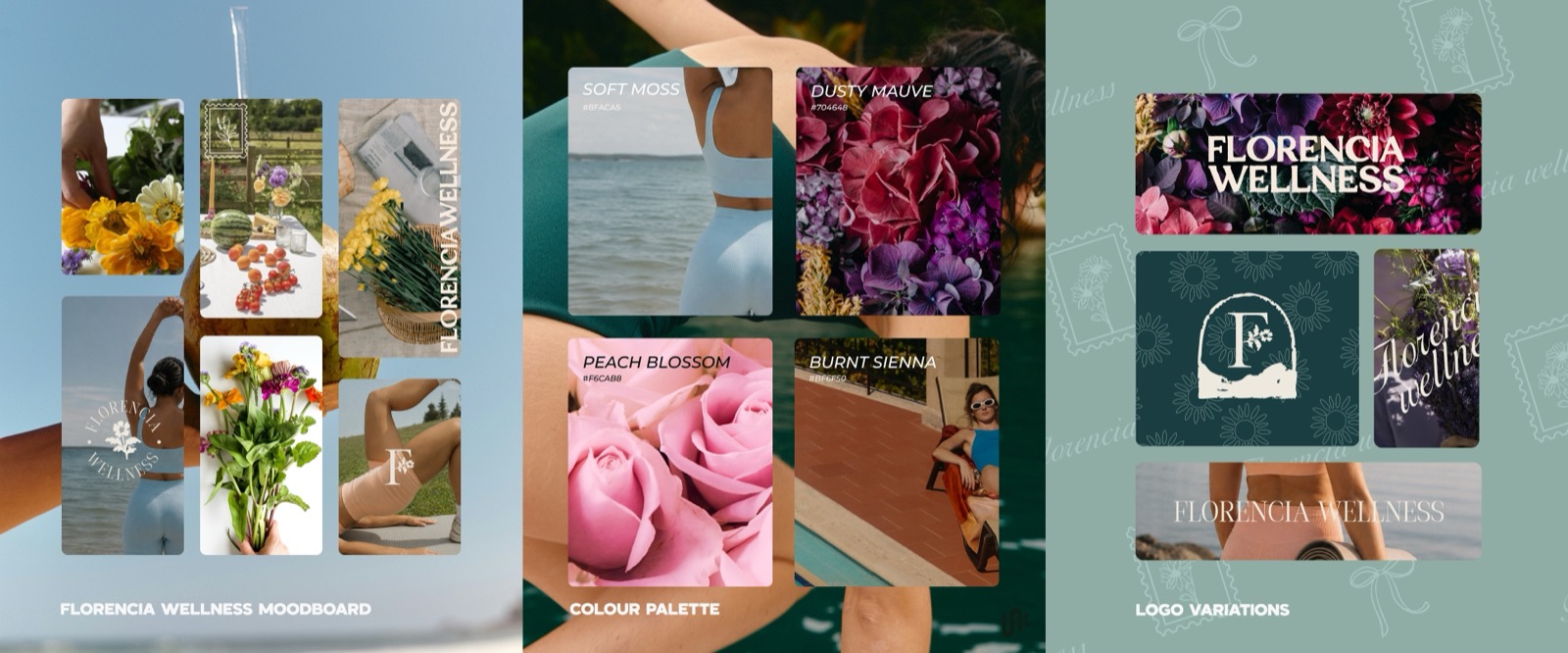
This is why the strategy behind Florencia Wellness mattered. The brand needed to unite movement, florals, and community without looking like a generic Pilates studio or flower shop. The visuals could then set the right expectation for the experience.
A quick check: Compare your current brand with the clients, services, and prices you want to be known for over the next two years. Does it still look like it was designed for the business you have now?
04. Every campaign starts from scratch
You sit down to promote a new service, retreat, or event and immediately have to decide which colours, typefaces, layouts, and image styles to use.
Without a recognizable system, every campaign becomes a new design project. That costs time and weakens the visual connection between one offer and the next.
A useful brand gives you decisions you do not have to keep remaking. It creates enough structure for new ideas to feel fresh while remaining recognizably yours across social media, your website, email, and print.
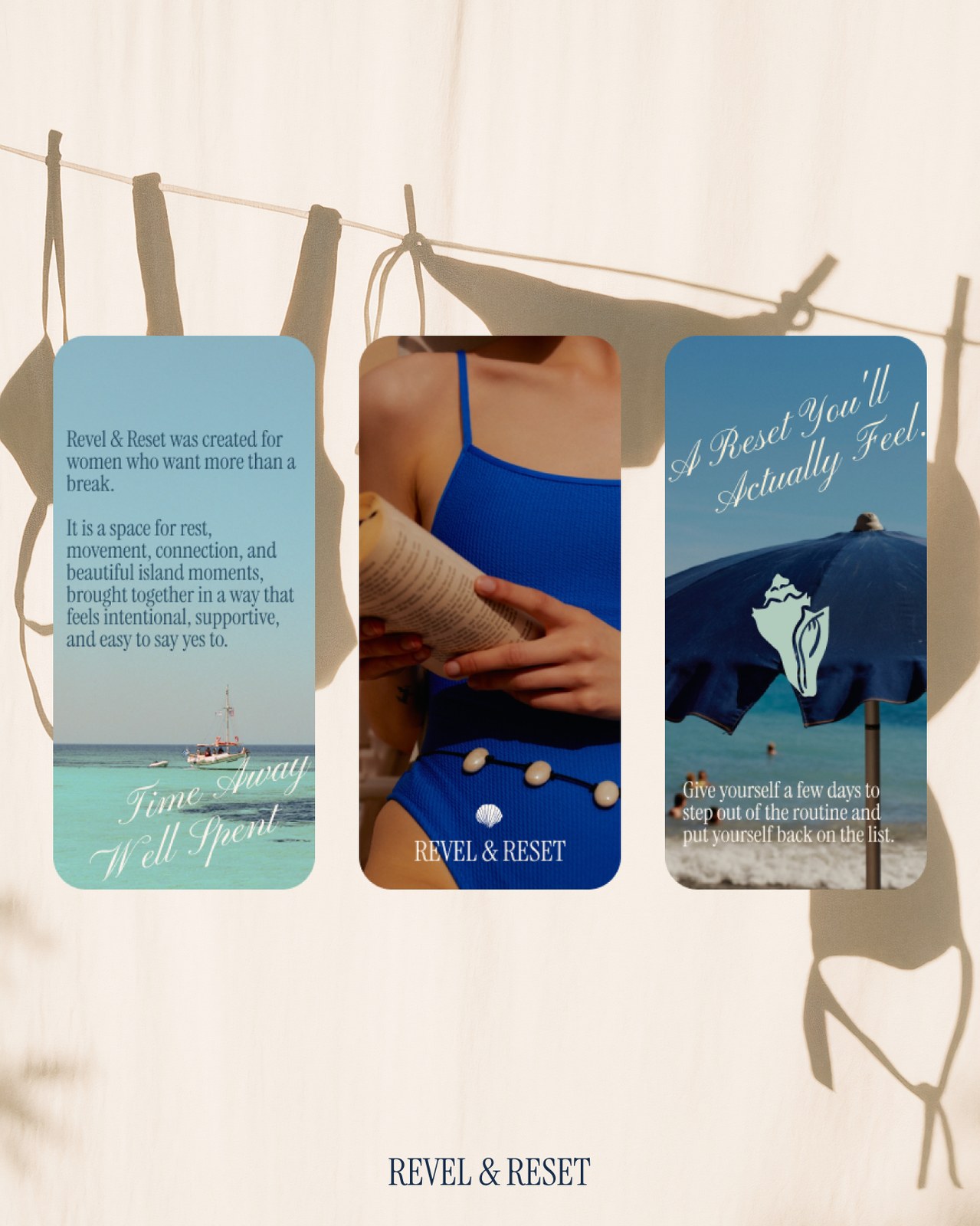
A quick check: Look at your last three campaigns or offers side by side. Do they feel like different expressions of one brand, or could they belong to three unrelated businesses?
05. Interested people do not have an obvious next step
Attention is useful only when it leads somewhere.
Someone can like the brand and feel interested, then leave because the path from interest to action is unclear.
This happens when calls to action compete, the booking link is difficult to find, or a general contact form gives no explanation of what happens next. It also happens when an offer lacks a focused page answering the questions someone needs before inquiring.
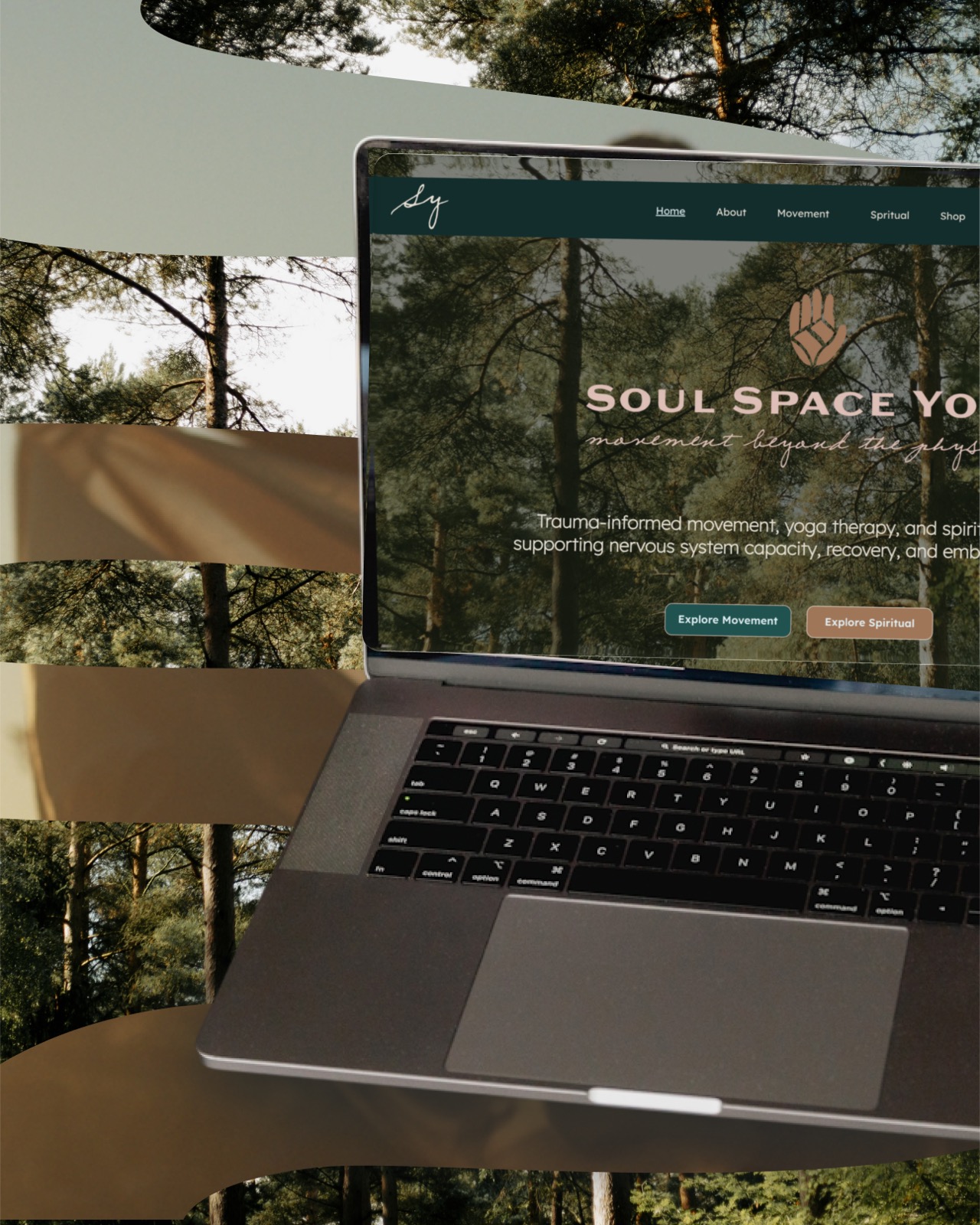
For Revel & Reset, a full website would have added time and complexity before the business needed it. The stronger decision was a focused landing page that explained the retreat, introduced the experience, and gave interested women one clear place to join the waitlist.
That is the job of a buyer path: not to pressure someone, but to remove the unnecessary confusion between interest and action.
A quick check: Start on your Instagram profile or homepage and try to book, inquire, or join the list as if you have never visited before. Is there one obvious next step? Do you know what will happen after you take it?
What should you fix first in your wellness brand?
Seeing several signs does not automatically mean rebuilding everything. Begin with the friction that keeps repeating.
If people cannot explain the offer, start with the strategy and messaging.
If the business is clear but looks out of step with the experience or price, the visual identity may be the bigger issue.
If interest is there but people do not know how to act, the landing page or booking path deserves attention first.
If all three are working against one another, fixing one piece may only move the confusion somewhere else.
The brand, message, and buyer path should support the same business. When they do, you have less to explain, clients understand the value faster, and marketing becomes easier.
Your brand does not need to look terrible to be holding the business back. Sometimes the clearest sign is simply that the business has become stronger than the way it is currently being introduced.
Has your business outgrown the way it currently shows up?
The 30-Day Summer Brand Edit brings strategy, a refined visual identity, and one focused landing page together for established health, wellness, and fitness businesses that are ready to close that gap.
Explore the 30-Day Summer Brand Edit to see what we can strengthen together in 30 days.